Chunked uploads and production performance on a file platform
Production work on ufile.io: resumable chunked uploads, MySQL indexing and query fixes, and shipping changes on a file platform already serving millions of users.
Based on production work on ufile.io . This is engineering perspective, not product documentation.
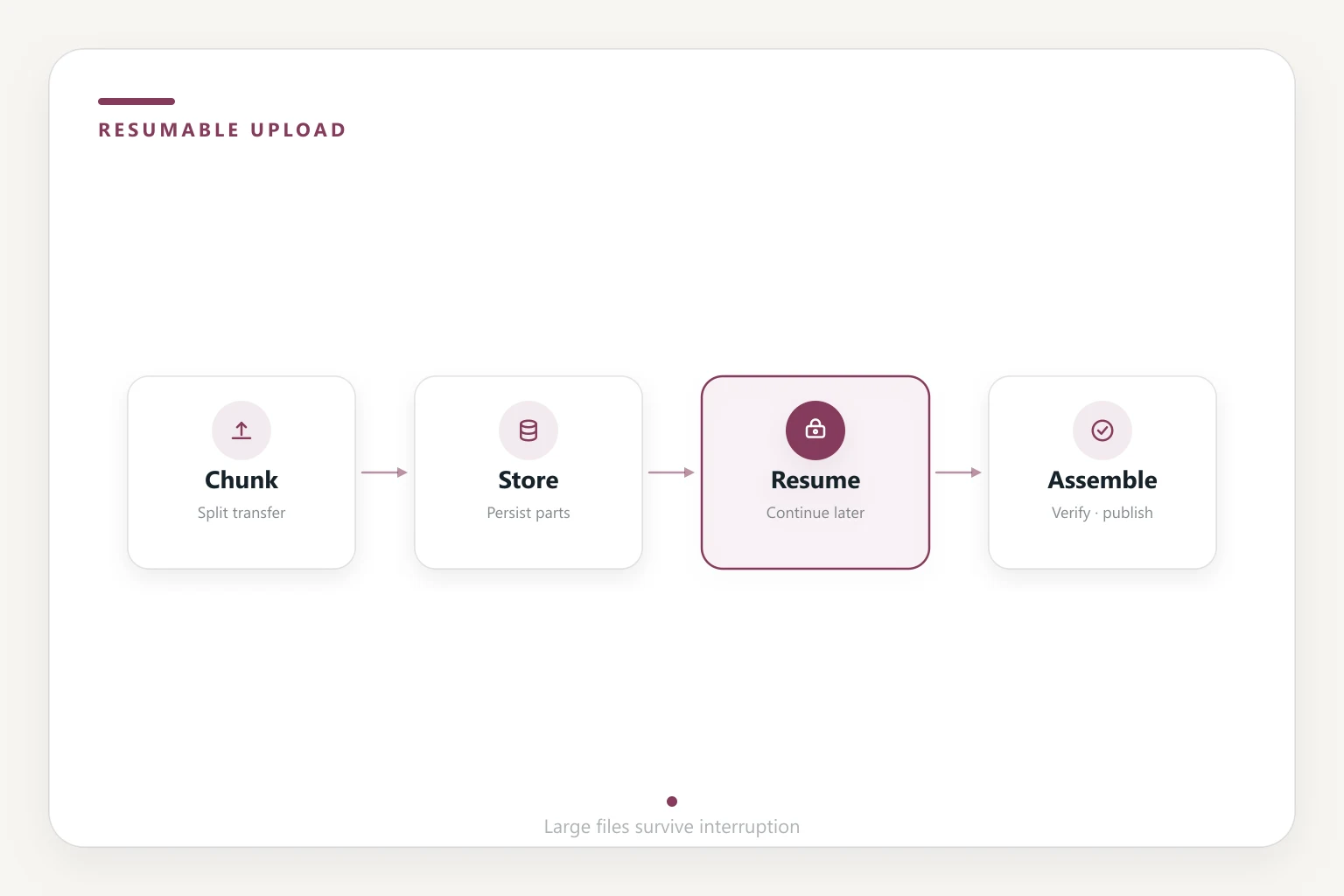
Users forgive a lot on a file host until a large upload fails at ninety percent and they have to start again. After that, the rest of the product barely matters.
I joined ufile.io when the platform was already large: millions of registered users, hundreds of millions of downloads, real revenue, real traffic. My work was production engineering on a live system: urgent fixes, MySQL performance, and chunked uploads with pause and resume, shipped without a maintenance window.
Treat big uploads as long-running work
A single POST works until timeouts, mobile dropouts, tab suspensions, or memory limits say otherwise. Once a transfer can take minutes, you need parts, progress, and a way to continue after interruption instead of restarting from byte zero.
Chunked uploads store parts as they arrive, track what landed, and let the client resume with a token when the connection comes back. That is the difference between a feature demo and something people trust with large archives on flaky Wi‑Fi.
Resume needs durable state
Each attempt gets an ID. Chunk metadata lives separately from the finished file. The client keeps a resume token. Assembly waits until you can verify completeness. None of that is clever. It is just state management people notice only when it is missing.
At scale, uploads show up in MySQL first
ufile.io was not a greenfield performance story. Tables had grown with the product. New upload flows added writes; popular files added read pressure. Most of the wins I shipped were indexing and query changes that looked boring in a pull request but mattered when traffic hit on Monday morning.
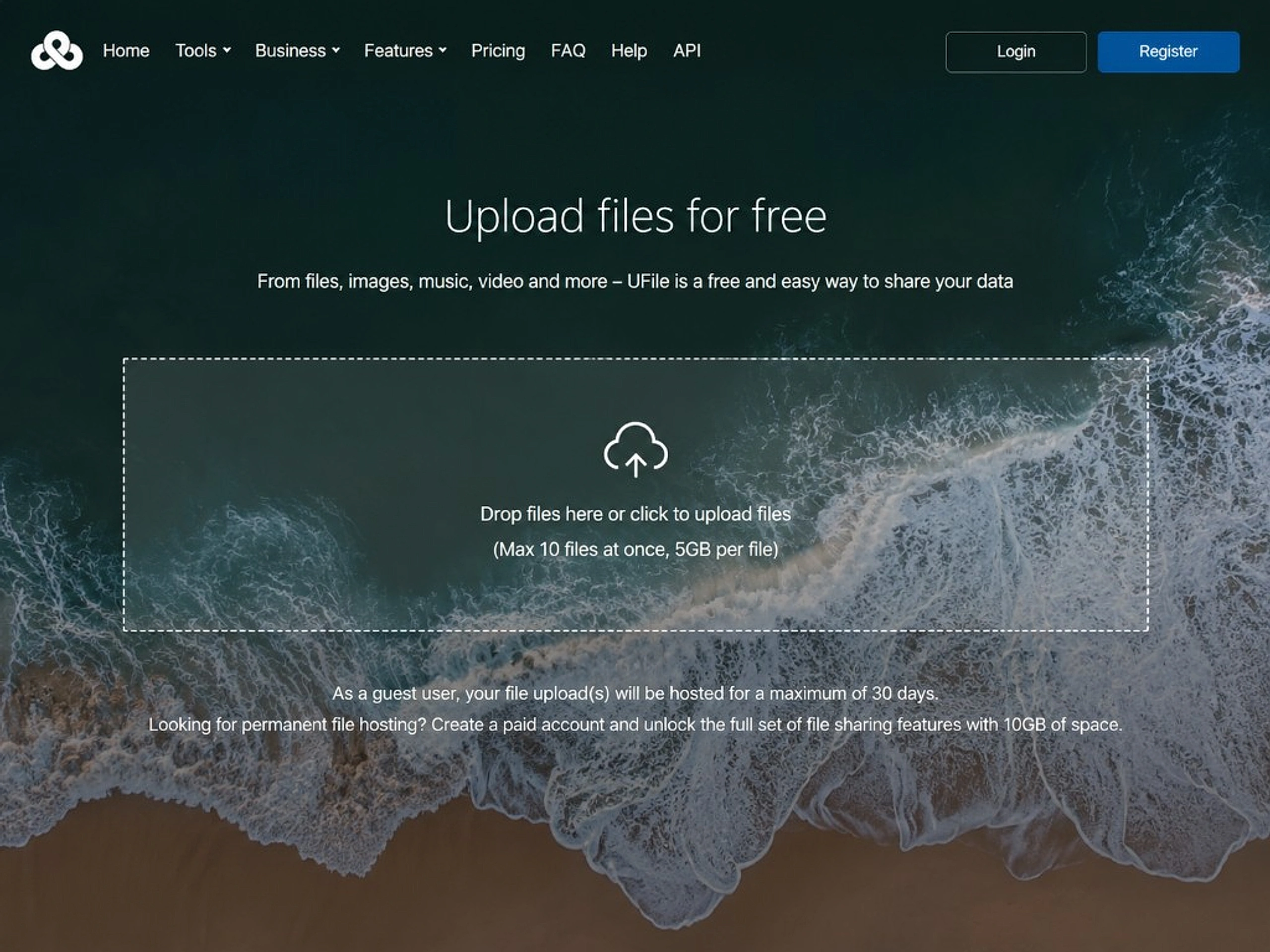
Ship without stopping downloads
Established platforms rarely get a blank slate deploy. We introduced chunked endpoints while older clients kept working, fixed the highest-risk production paths first, and avoided replacing the entire transfer stack in one release. Files already in flight had to survive the change.
Orphaned chunks cost money
Incomplete uploads pile up unless you expire abandoned parts and reconcile partial state. At ufile.io's volume, storage for chunks nobody finishes is a real line item, not a rounding error.